


About Us

Our History

Black and white photo of a building with a sign reading 'Hamilton Society for the Prevention of Cruelty to Animals' and two vintage vehicles parked nearby.
woman in black and white
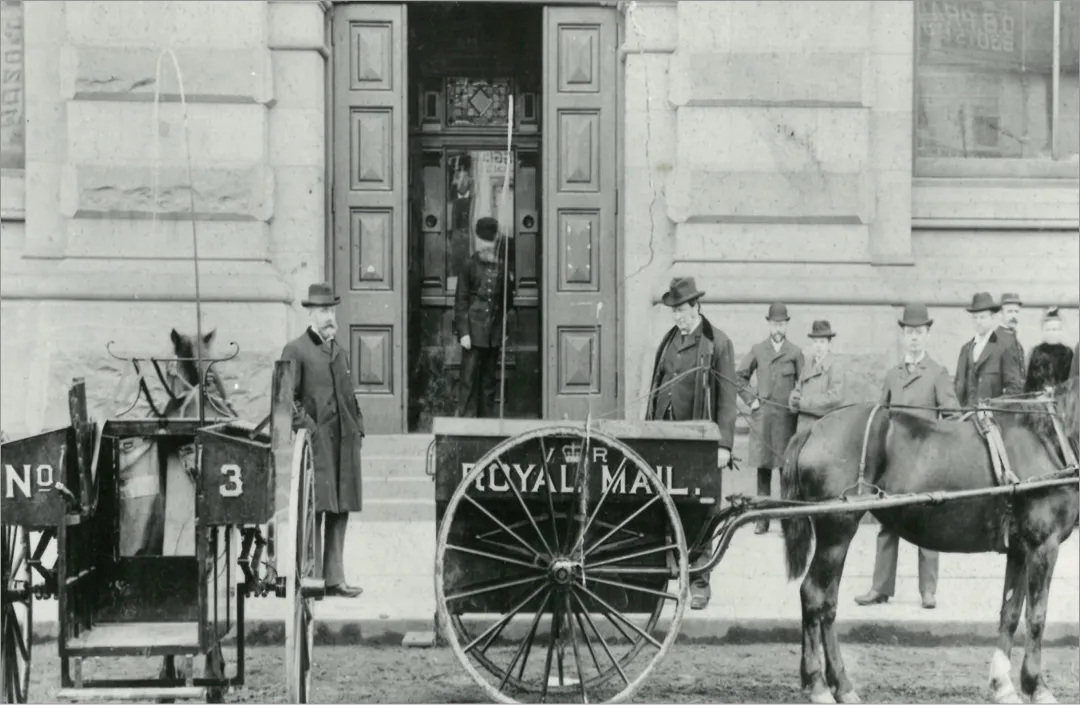
Black and white historic photo of men in early 20th-century attire standing near horse-drawn Royal Mail carts outside a large stone building.
Abstract blue ribbon-like curve with shadows on a light gray background.

Four Defining Eras

1887-1919
The Founding Years

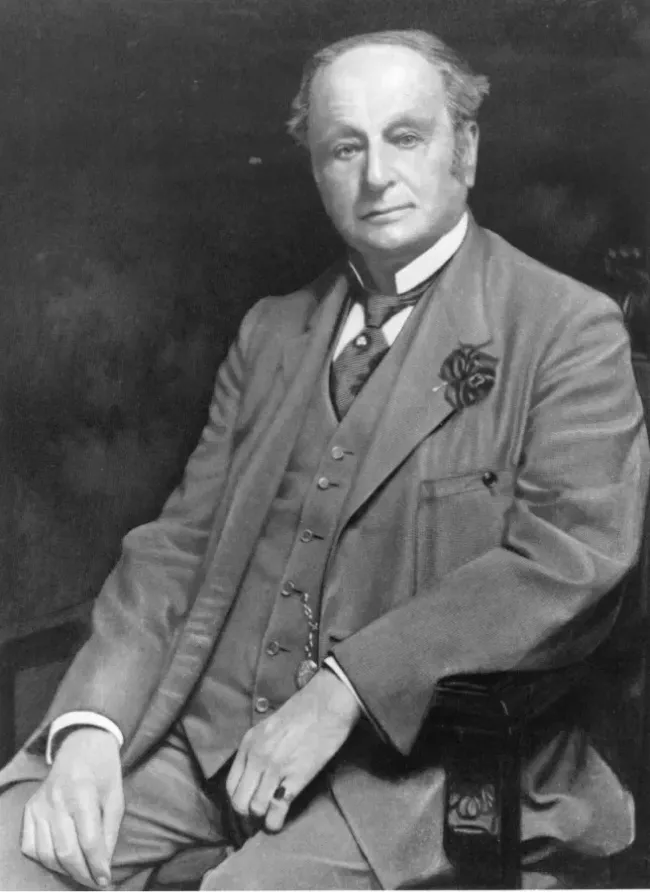
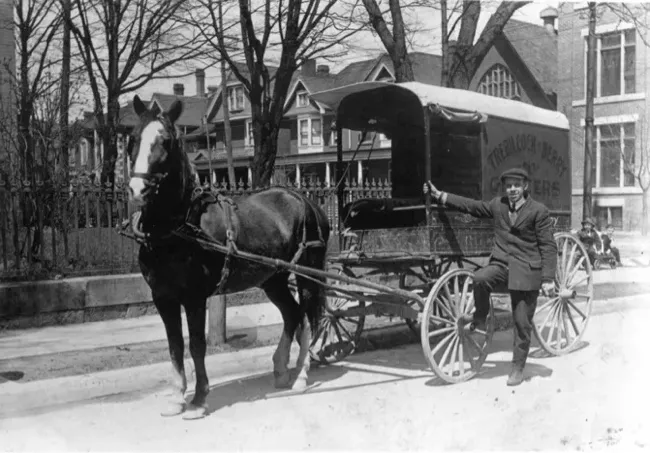
In the spring of 1887, a small group of concerned Hamiltonians gathered first in a doctor’s office and then in City Hall, convinced that their rapidly growing industrial city needed a dedicated voice for its animals. From those early meetings, the Hamilton SPCA was born, guided for decades by its remarkable founding president, Adam Brown, who led the Society well into his nineties with quiet determination. In an era when horses powered streetcars, delivery wagons, and the Post Office, the young organization focused on easing the burdens of working animals—pressing for humane treatment and establishing public water troughs so animals could be refreshed as they moved through the city.

At the same time, early inspectors responded to cruelty cases, challenged brutal “sports” like cockfighting and dogfighting, and visited schools to teach children that kindness to animals was a civic virtue. As the SPCA’s presence grew, Hamiltonians came to see it as the natural place to turn whenever animals were in need. That trust, combined with tireless advocacy from Hamilton and other Ontario SPCAs, helped bring about the province’s first animal welfare law in 1919—an achievement that cemented the Society’s role in shaping a more compassionate future for animals in Ontario.
1920s – 1940s
Education and Advocacy

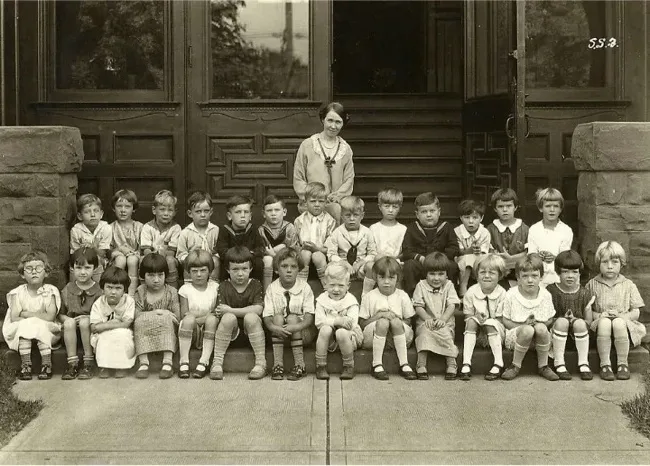
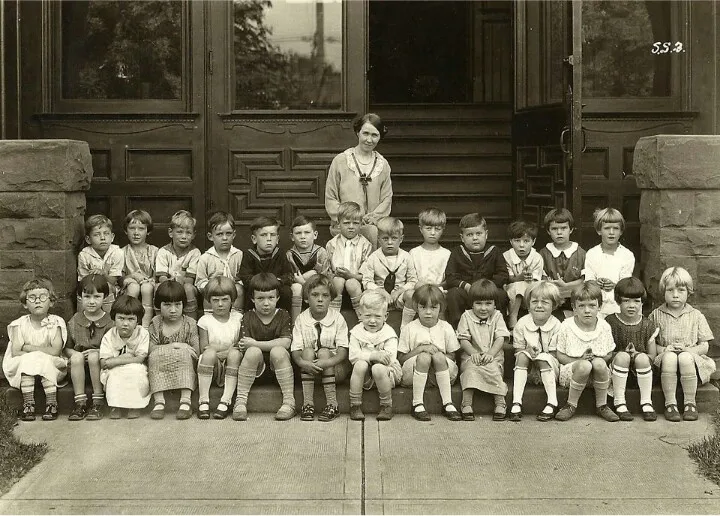
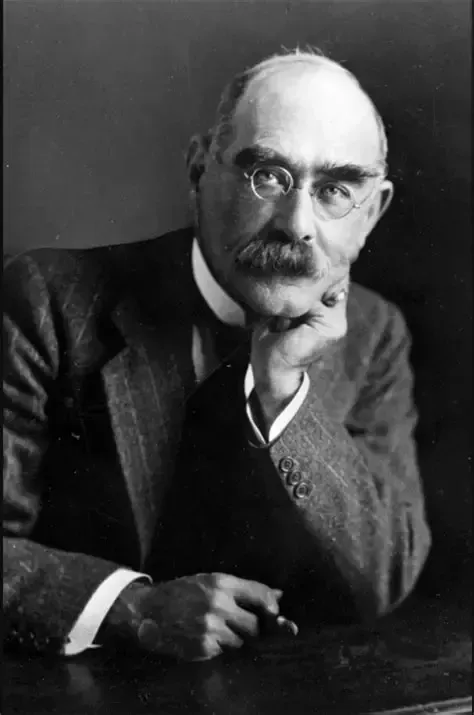
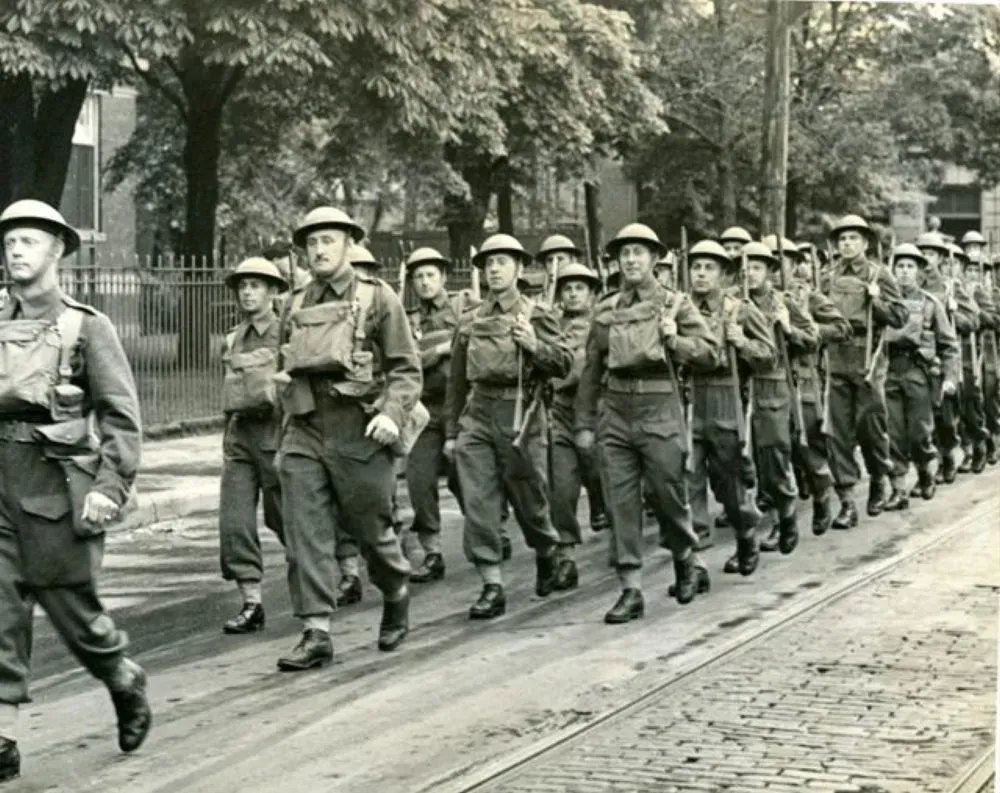
In the 1920s, the Hamilton SPCA broadened its mission beyond enforcement and began to see education as the key to a more humane future. Led in large part by the energetic Ladies Auxiliary, the Society launched the Junior Humane Society in local schools—an innovative program that eventually reached more than 9,000 children and became the first of its kind in Ontario. Students signed pledge cards featuring verses from Rudyard Kipling’s The Children’s Song, and classrooms across the province received the SPCA’s “Humane Education” pamphlet after Ontario’s Minister of Education chose to distribute it widely in 1927. During these years, the SPCA also brought humane ideas to the broader public through lectures, films, and international connections, including participation in a global humane conference hosted by the RSPCA in London.

By the 1930s, however, the economic hardship of the Great Depression dramatically increased the number of abandoned and homeless animals in Hamilton, stretching the Society’s resources and deepening its commitment to care and advocacy. Leaders began to envision a permanent SPCA shelter that could provide consistent protection and support for animals in need, but those plans were ultimately postponed with the approach of the Second World War. Even so, the groundwork laid in these decades—through education, public engagement, and community trust—would shape the SPCA’s work for generations to come.

1950s – 1980s
Construction and Growth of the Shelter

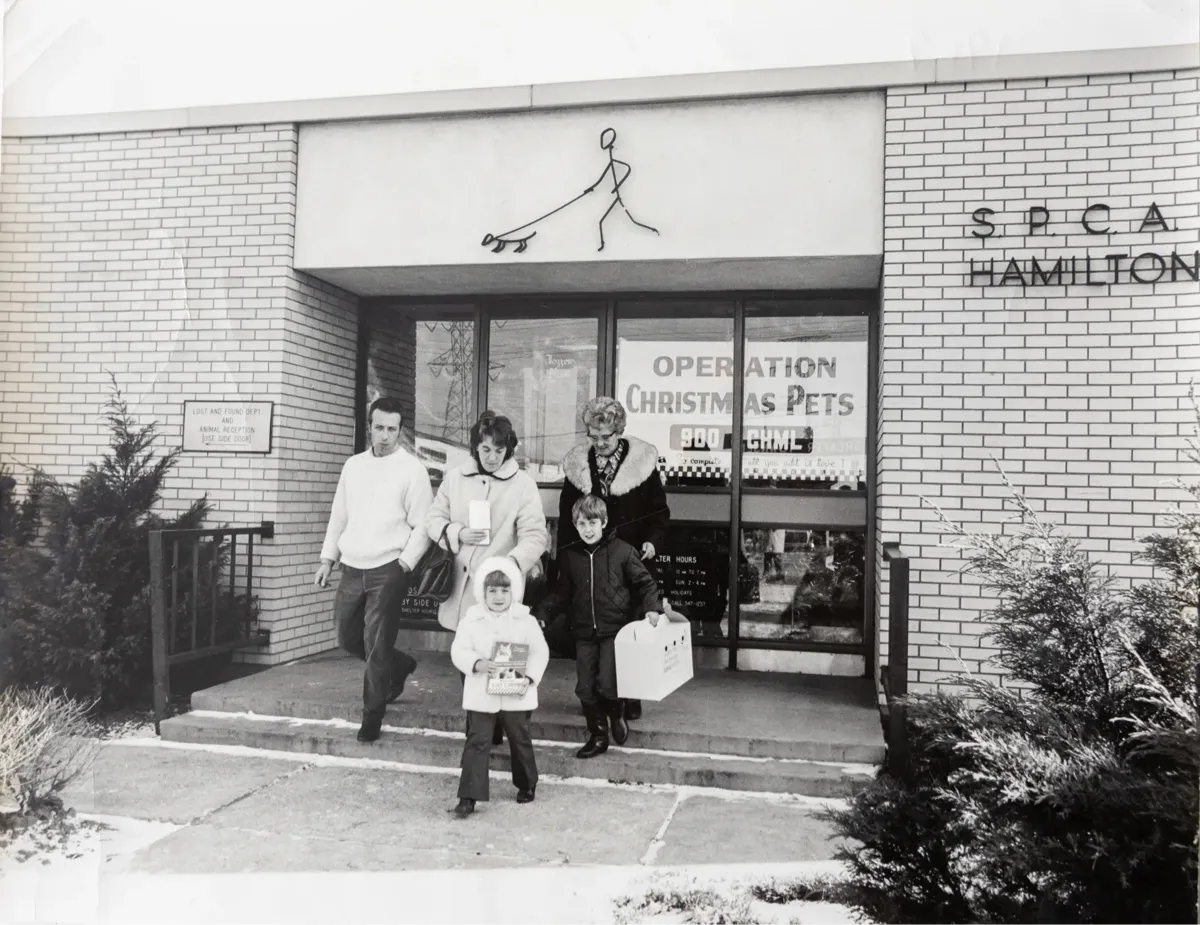
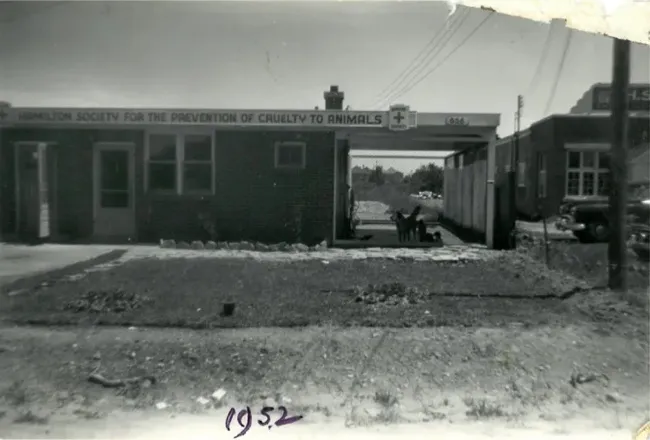
In the decades after the Second World War, the Hamilton SPCA moved from advocacy to action in a bold new way—by building a home for animals of its own. After successfully ending the City of Hamilton’s practice of selling pound dogs for medical research in 1946, momentum grew to create an independent, humane shelter. Land was secured on Parkdale Avenue, and in 1950 the SPCA opened its first purpose-built shelter, managed by Charles E. Naphtali, who quickly discovered it was “full from the first day.” The Society also took on responsibility for dog-catching, ensuring animals would be brought to the shelter rather than a city pound. Over the next two decades, the Parkdale site expanded repeatedly—including the Eugenia E.E. Gibson Addition and, later, an entirely new facility opened in 1968—as the SPCA’s workload surged to more than 8,000 animal pickups annually alongside investigations and prosecutions of cruelty cases.

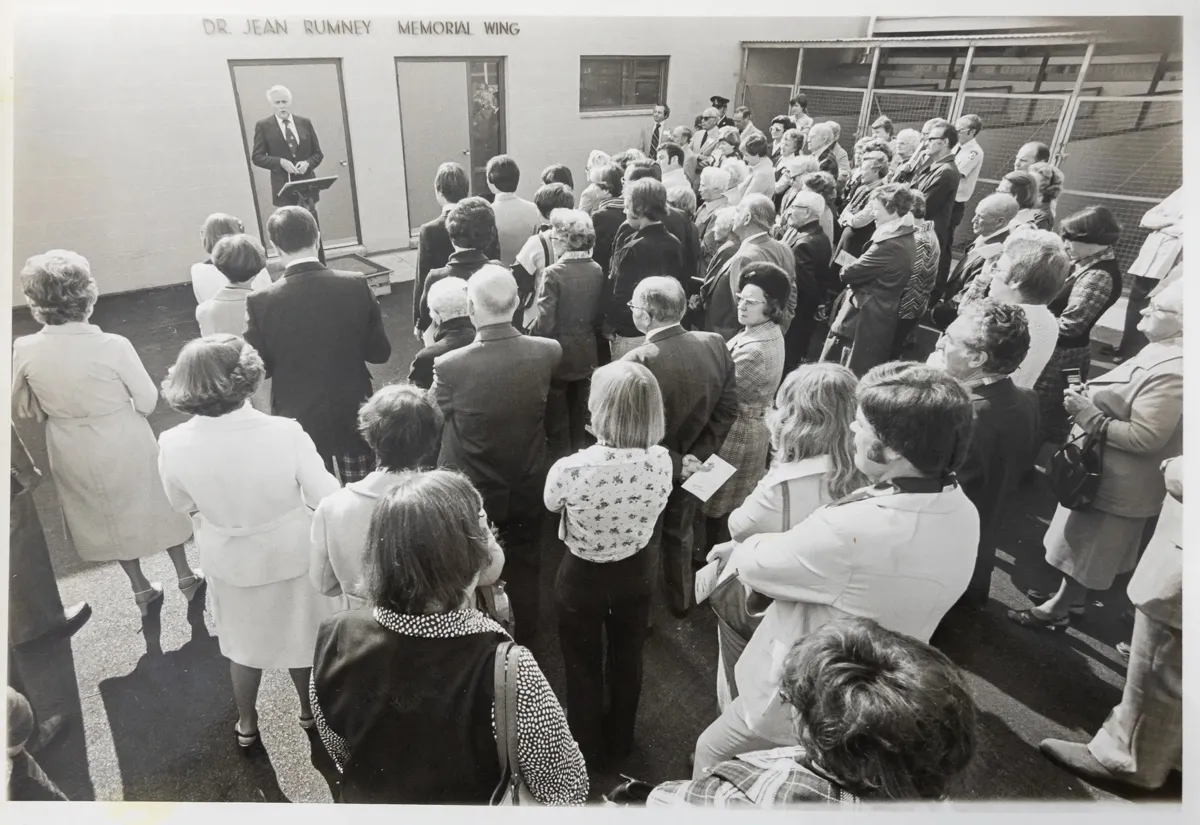
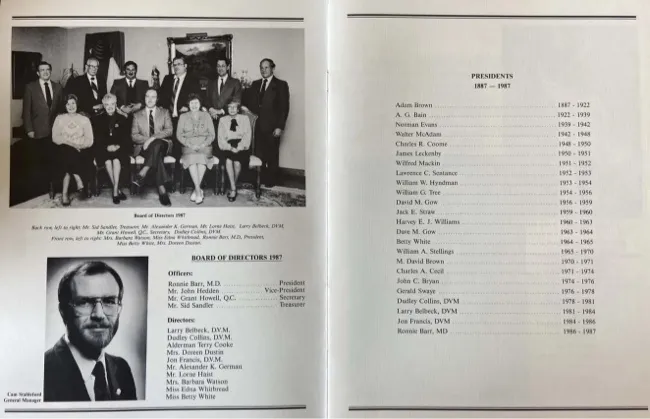
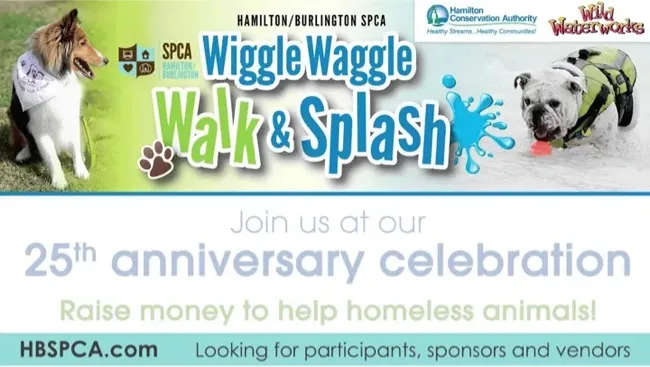
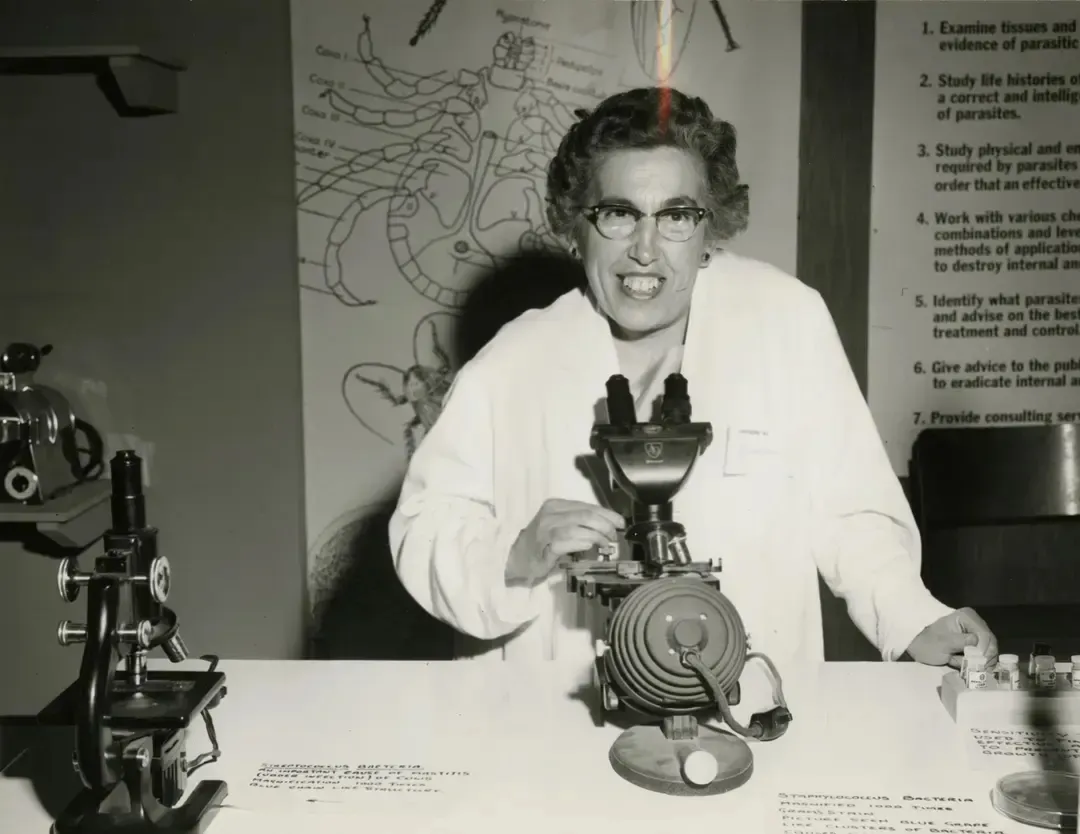
From the 1970s through the 1980s, the organization entered a period of growth, professionalization, and public recognition. The opening of the Dr. Jean Rumney Memorial Wing in 1977 honoured a pioneering veterinarian and devoted SPCA leader, while the creation of the Dr. Jean Rumney Award underscored the Society’s commitment to excellence in animal welfare. In 1987, the SPCA marked its centennial with a citywide celebration and expanded its role by providing animal control services across a much larger region of Hamilton. Two years later, the first Wiggle Waggle Walkathon brought the community together in a joyful new fundraising tradition that would endure for decades, reflecting how deeply the SPCA had become woven into the life of the city.

1990s – 2020s
Innovation and Outreach

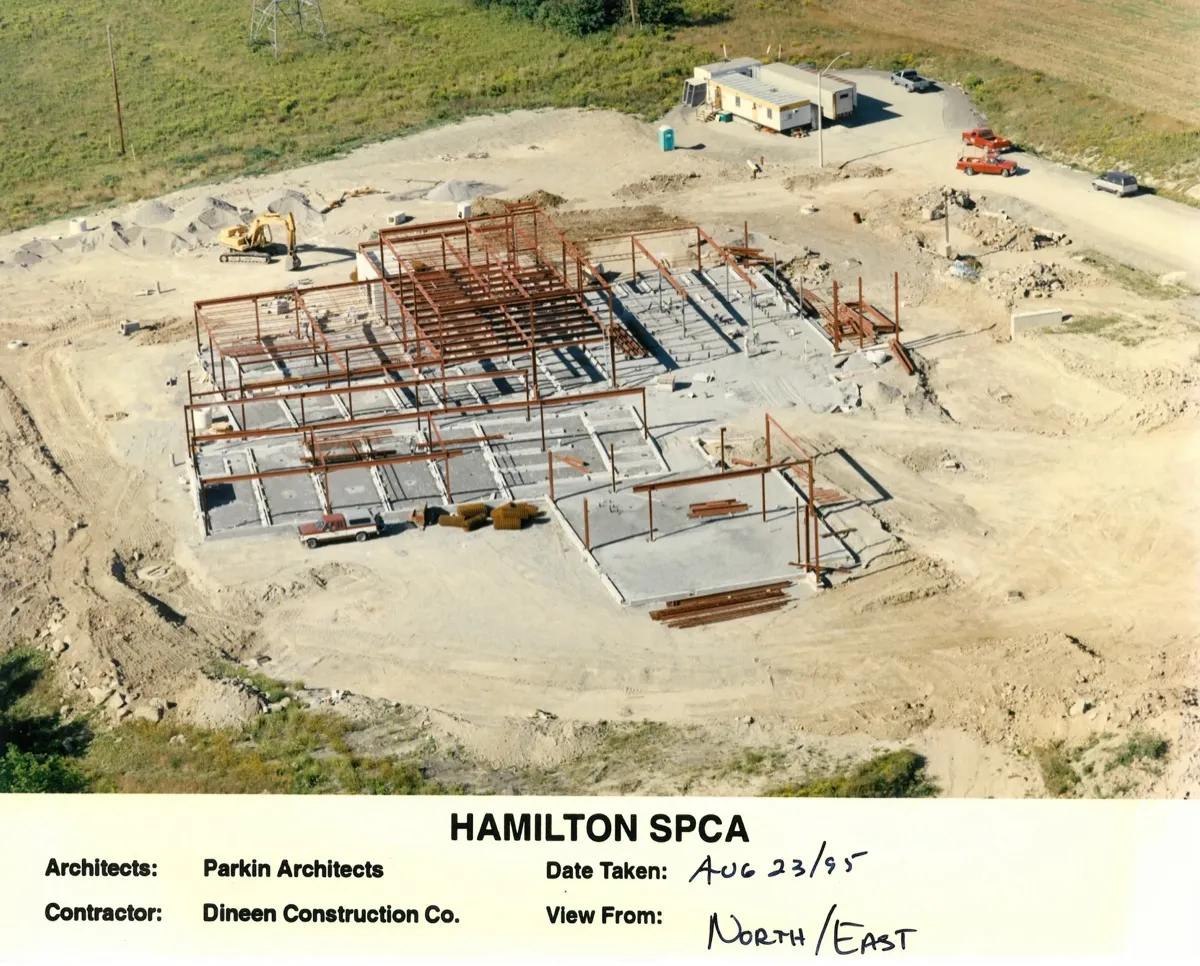
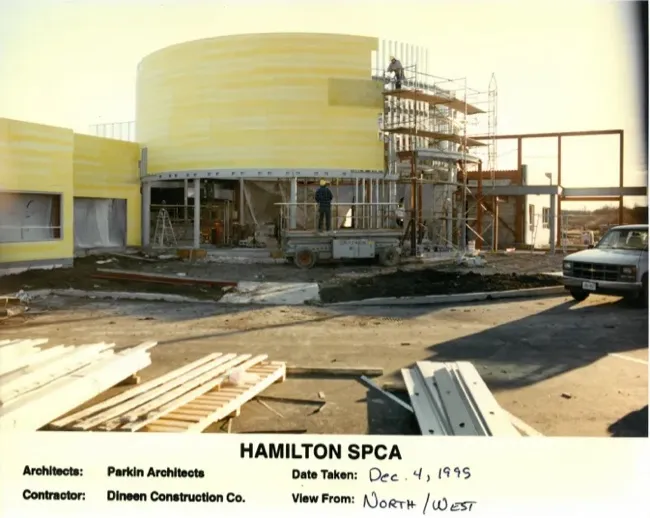
By the 1990s, it was clear that the Parkdale shelter could no longer meet the needs of a growing city—or the aspirations of a modern animal welfare organization. With strong community leadership, including the high-profile support of football star Bernie Faloney, the HBSPCA launched an ambitious fundraising campaign and purchased land on Dartnall Road. In 1996, a new state-of-the-art facility opened there, widely regarded as one of the best in North America and officially inaugurated by Governor-General Roméo LeBlanc. This marked a turning point for the Society, introducing higher standards of care, new technologies such as routine microchipping of adopted pets, and expanded capacity to serve both animals and the community.

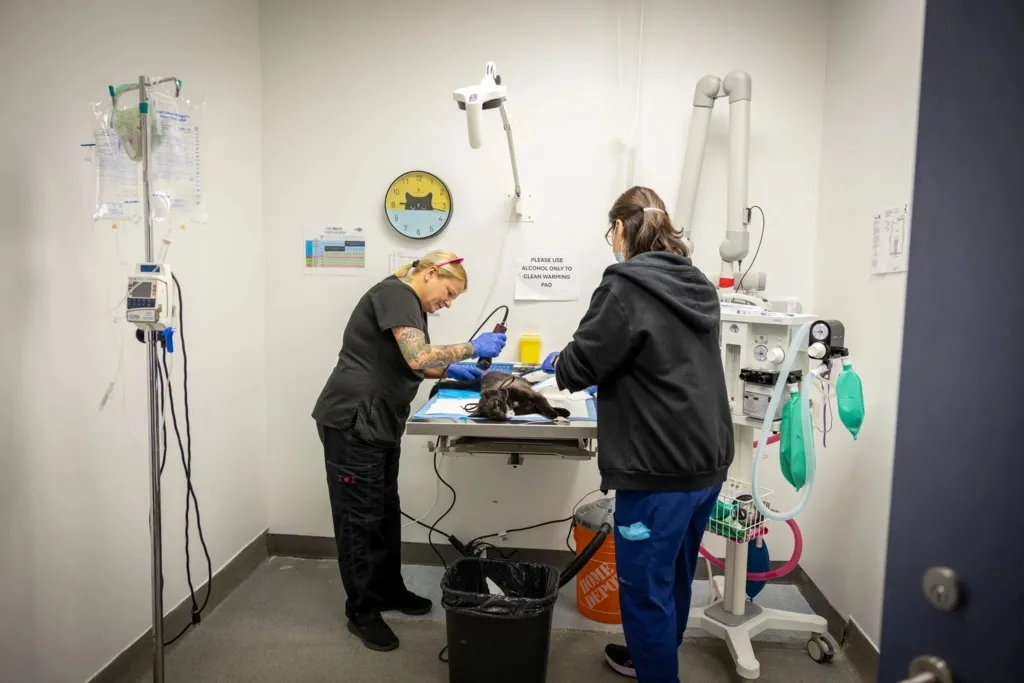
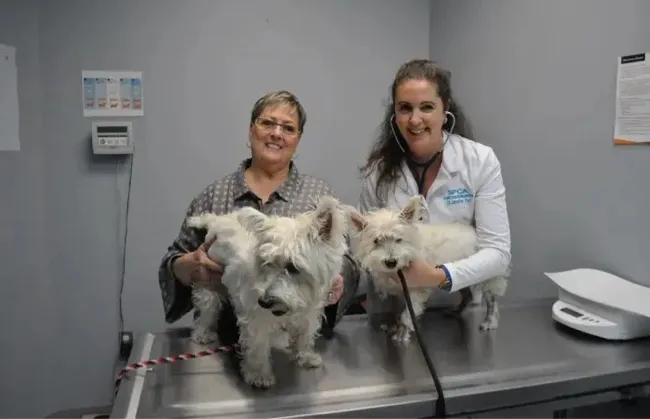
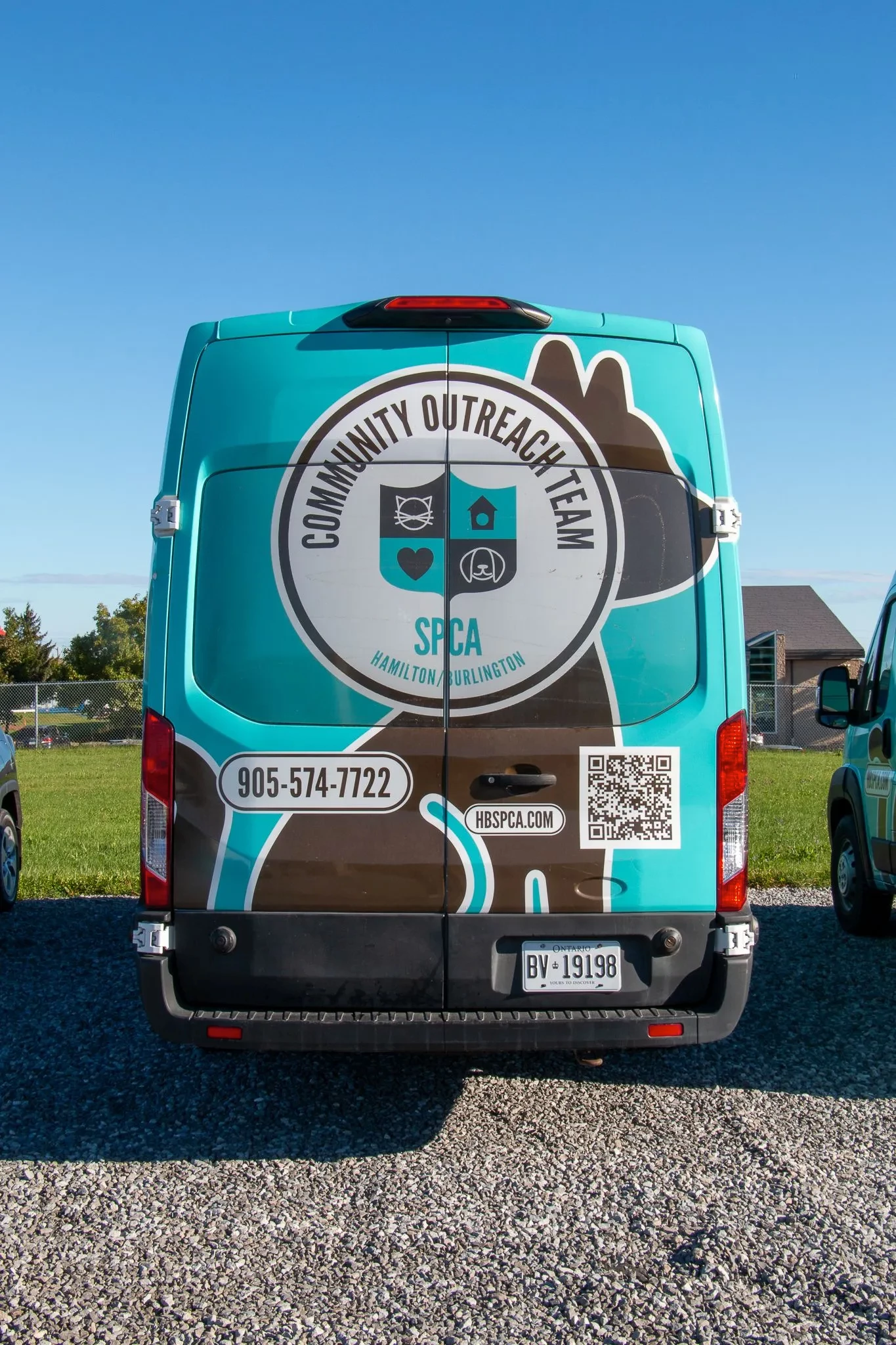
Through the 2000s and 2010s, the HBSPCA continued to evolve beyond the traditional shelter model. After the City of Hamilton assumed animal control services in 2003, the organization placed greater emphasis on volunteer-led care, humane education, and community outreach—rapidly growing its volunteer base and deepening public engagement. During this period, the SPCA launched innovative programs including a Companion Animal Hospital, low-cost spay/neuter services, expanded support for community cats, and the Wiggle Wagon mobile shelter, the first of its kind in Ontario. Milestones such as the 125th anniversary in 2012 and partnerships with local institutions like McMaster University reflected the SPCA’s expanding role as both a service provider and a leader in animal welfare thought and practice.

The challenges of the COVID-19 pandemic in 2020 prompted yet another transformation, as the HBSPCA adapted with appointment-based adoptions, virtual interviews, and tele-medicine support for fosters and clients while maintaining emergency services. In the years that followed, the organization leaned further into community-centered care, expanding Pet Wellness Clinics and launching the Pet Pantry program—now the largest pet food bank in Canada—so families could keep beloved animals at home during financial hardship. Although the cherished Wiggle Waggle Walkathon concluded in 2022 after more than three decades, its spirit of joyful community support lives on in new initiatives and partnerships. Today, building on more than 135 years of advocacy, compassion, and innovation, the Hamilton/Burlington SPCA continues to protect animals through adoption, veterinary care, humane education, and outreach that meets people—and their pets—where they are.