Remote Community Vet Services

Our Land Acknowledgement
The Hamilton/Burlington SPCA acknowledges that our work takes place on the traditional territories of the Haudenosaunee and Anishinaabe peoples. This land is covered by the Dish With One Spoon Wampum Belt Covenant, an agreement to share and care for the resources around the Great Lakes in peace and friendship.
We recognize the enduring presence, knowledge, and contributions of Indigenous peoples—past, present, and future—on this land, including the Mississaugas of the Credit First Nation, the Six Nations of the Grand River, and other First Nations, Métis, and Inuit communities who continue to live and work here.
As an organization dedicated to the well-being of all living beings, we commit to learning from Indigenous perspectives on kinship, stewardship, and respect for all animals and the natural world.
Our Commitment to Helping Communities
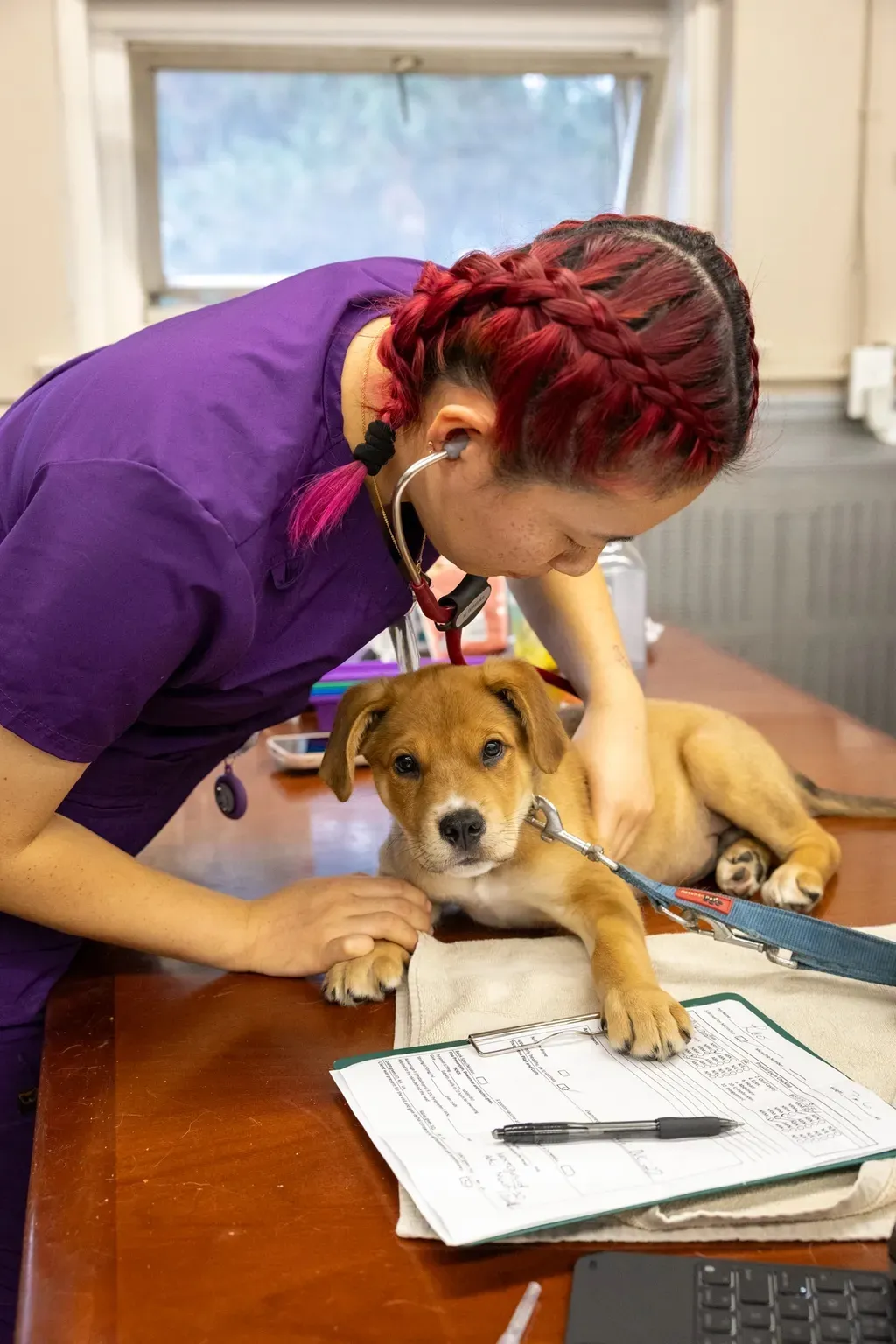
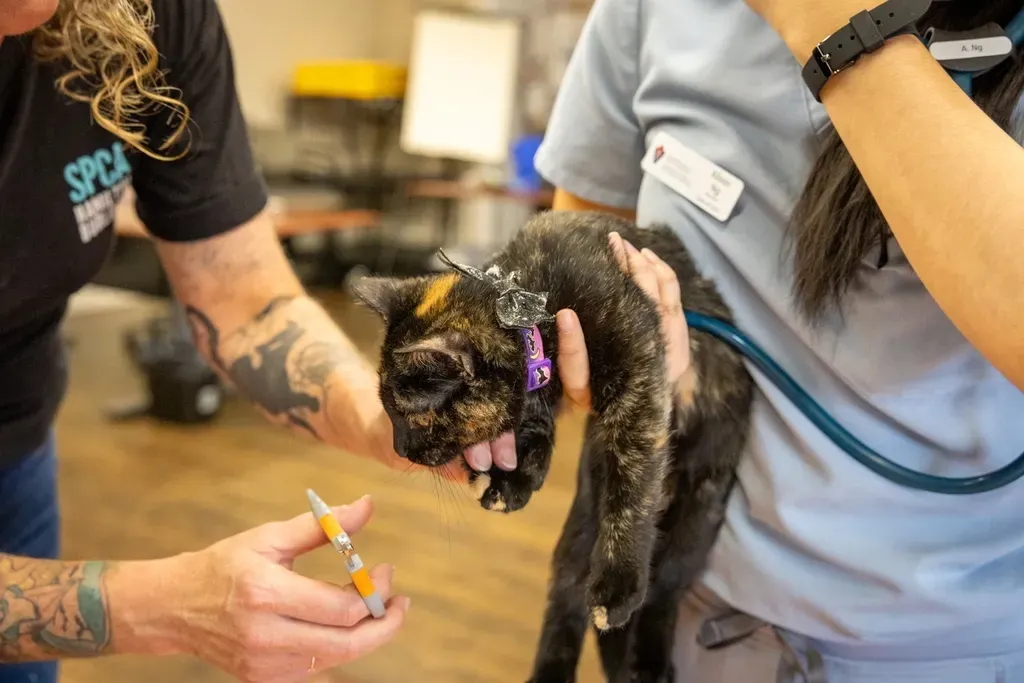
We’re dedicated to supporting northern and remote communities by bringing essential veterinary care where it’s needed most. Our team provides physical exams, vaccinations, deworming, and reproductive implants to help reduce overpopulation and promote healthier animals. We also assist communities through pet food and supply donations and telemedicine support. Together, we’re building stronger, healthier communities—for both people and their animals.
Meet Dr. Tammy Hornak, RRT, DVM
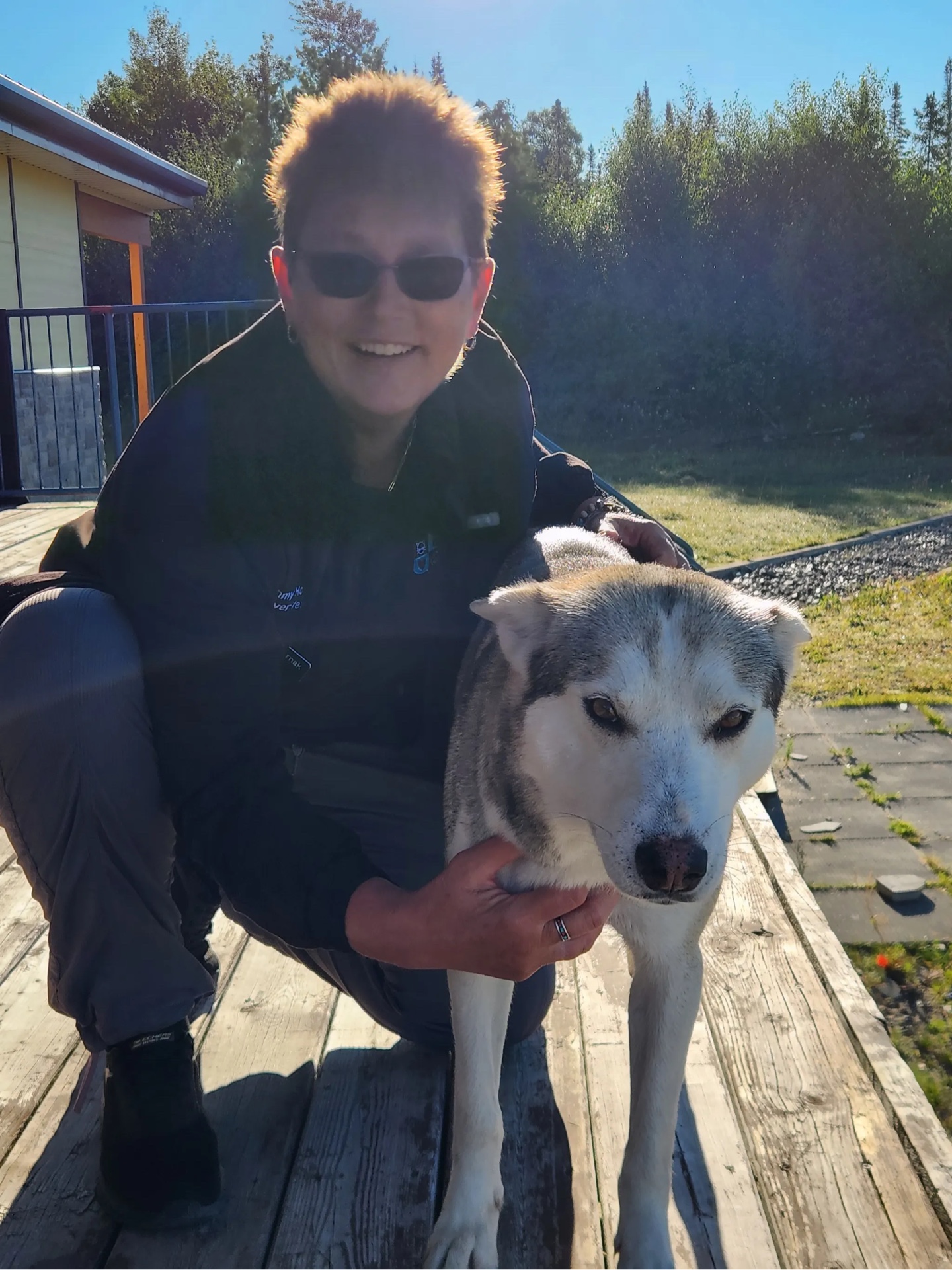
When she’s not traveling the world or on the road in a mobile clinic somewhere in Ontario, Dr. Tammy Hornak can usually be found with a cup of coffee in one hand and a dog leash in the other. A share owner of Grand River Veterinary Hospital and Lead Veterinarian for the Toronto Humane Society’s Rural Veterinary Services.
Why Remote Outreach Matters
Across Northern Ontario, there are resilient, remote communities where families love their pets deeply—but veterinary care is days, not minutes, away. Many communities have no veterinary clinic within hundreds of kilometres.
Travel is costly, weather is unpredictable, and many dogs are not accustomed to being indoors or riding in vehicles, making transport incredibly difficult. Our Northern Remote Community Outreach Program exists to bridge this gap. HBSPCA teams travel thousands of kilometres—flying, driving, and sometimes boating—to reach communities where preventable illness, overpopulation, and emergencies can quickly become crises. These visits bring compassionate, accessible, culturally respectful veterinary care directly to families who otherwise have no way to access it.
Our Work in 2025: Building Trust, Health, and Human–Animal Bonds
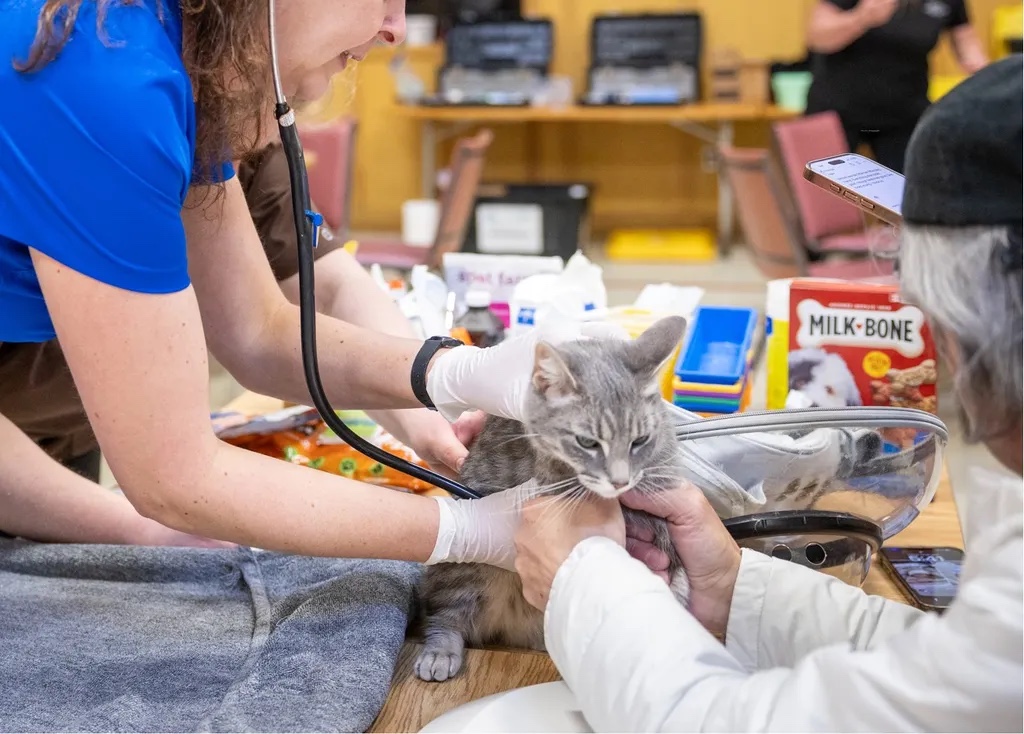
The HBSPCA medical teams completed multiple outreach trips to remote northern communities in 2025. These trips required multi-day travel, temperatures well below freezing in some cases, and improvised clinic spaces—but the impact was extraordinary.

August 2025 Outreach Clinic
Over two long, rewarding days, our three-person HBSPCA team—working alongside a VWB representative—examined and treated 111 animals. Our impact included:
Vaccinations
Microchip Implants
Suprelorin birth-control implants
Deworming and flea prevention for every pet
We provided care for pets with serious medical concerns, including ear infections, ingrown nails, traumatic injuries, wounds, lacerations, and even life-threatening fractures. Every animal received compassionate handling, pain control, and treatment options that respected the community’s realities.
Late Fall 2025 Outreach Clinic
Despite bitter cold weather, our team returned for a second clinic and again saw outstanding community engagement. In this visit, HBSPCA examined 107 animals, including elders—such as a remarkable 19-year-old small-breed dog who received nutritional counselling, a nail trim, and fur removal between his toes to help him walk comfortably. Our team also saw pets in significant distress, including severe matting between paw pads that caused nails to bind together. These cases were treated immediately, relieving pain and restoring mobility. At this clinic, we provided:
Vaccinations, Including Rabies
Suprelorin Birth-Control Implants
Microchips, giving free-roaming dogs permanent identification
Deworming and parasite prevention for every animal
We were even able to re-check a dog previously treated for a severe ear infection. A swab was collected and submitted for diagnostic testing once our team returned home, giving the dog a clear path toward becoming pain-free.
What is a Suprelorin Birth-Control Implant?
Suprelorin: A Humane, Accessible Birth-Control Solution
One of the most impactful tools in remote outreach is the Suprelorin hormonal implant—a non-surgical, temporary fertility control method.
How It Works
- A small, rice-sized implant is placed under the skin.
- It lasts approximately 6 months.
- It suppresses fertility in male dogs, male cats, and some female dogs.
- No anesthesia is required.
- No surgical facility is needed.
Why Suprelorin Is Essential in Remote Regions
- Helps stabilize and reduce animal populations humanely.
- Prevents unwanted litters in communities with no surgical spay/neuter access.
- Reduces roaming, aggression, and mating-related injuries.
- Supports community safety and disease prevention.
- Allows families time to plan for permanent sterilization when/if it becomes accessible.
Looking Ahead: Continuing Our Commitment
These visits are only the beginning. HBSPCA remains committed to long-term, relationship-based support for remote northern communities. Every visit brings stronger partnerships, healthier pets, safer communities, and renewed hope.But this work is only possible because of people like you.
Support Northern Remote Community Outreach
Your generosity keeps pets fed, families supported, and communities safe. Here are meaningful ways to help:
Send a Meal to a Hungry Pet
Sponsor the cost of nutritious food in communities where pet food is scarce and expensive.
Cover Preventative Care for a Pet in Need
Vaccinations, deworming, and flea/tick medication protect pets and people—especially in regions with rabies risk.
Sponsor Medical Treatment
Help a dog with an infected ear, a painful skin condition, or an urgent wound get the treatment they need.
Provide a Dog House
Give a northern dog safe shelter from the elements.
Sponsor a Suprelorin Birth-Control Implant
A six-month fertility solution that protects pets, families, and entire communities.
Sponsor a Volunteer or Veterinary Team Member
Help cover travel costs so our medical teams can reach communities that require multiple days of flights, driving, and lodging.
Support Supply Shipments
Fund shipments of food, wound care supplies, leashes, collars, and treatment essentials.
Together, We Can Make Northern Communities Safer, Healthier, and More Humane
The HBSPCA is proud to stand alongside northern families, supporting the pets they love and strengthening the human–animal bond in places where access to care is limited. With your help, we can continue this lifesaving, relationship-building, and deeply important work.