Bird Care 101: Helping Your Feathered Friend Thrive
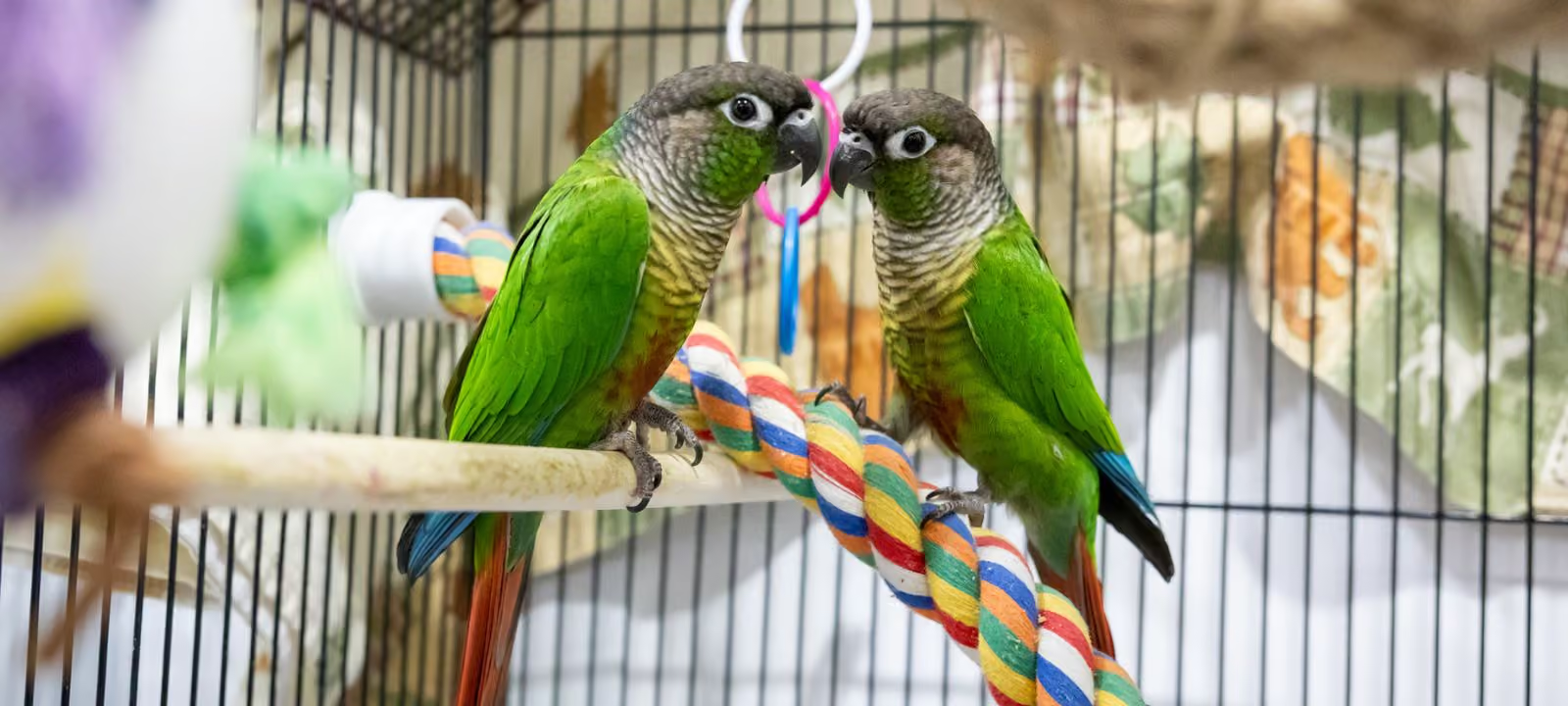
What do birds need to thrive? From the right cage size to diet, enrichment, and vet care - here's everything you need to know.
Birds are intelligent, social, and active companions thatrequire much more than a cage and a bowl of seed. Whether you share your homewith a budgie, cockatiel, conure, or finch, providing proper housing,nutrition, enrichment, and social interaction is essential for their physicaland mental well-being.
Choosing the Right Cage
One of the most important aspects of bird care is providingan appropriately sized cage. Birds should be able to fully stretch their wings,climb, move between perches, and engage in natural behaviors withoutrestriction.
.avif)
Small Birds (Budgies, Parrotlets, and Finches)
For small birds, a cage should be as large as possible, with horizontal space being especially important. Recommended minimum sizes:
- One budgie: 30" L x 18" W x 18" H
- Pair of budgies: 30" L x 18" W x 18" H or larger
- Pair of finches: 30" L x 18" W x 18" H or large
Finches especially benefit from longer flight cages thatallow them to fly from perch to perch.
Medium Birds (Cockatiels, Lovebirds, and Conures)
Medium-sized parrots require larger enclosures due to their activity level and need for enrichment. Recommended minimum sizes:
- Cockatiel: 24" L x 24" W x 30" H
- Lovebird: 24" L x 18" W x 24" H
- Conure: 30" L x 24" W x 36" H
Remember that these are minimum recommendations. Larger cages are always better and allow for more toys, perches, and opportunities for exercise.
Birds Need Daily Exercise
.avif)
Even the largest cage cannot replace the benefits of regular exercise outside of the cage. Birds should be provided with daily opportunities to fly in a safe bird-proofed room, climb and explore, practice natural behaviours, and interact with their environment, Exercise helps maintain healthy muscles, supports cardiovascular health, and prevents obesity. For birds that are unable to fly due to medical reasons, supervised climbing and play opportunities are still essential.
Enrichment Prevents Boredom
Birds are highly intelligent animals. Without enough mental stimulation, they can become bored, stressed, and develop unwanted behaviors.
.avif)
Signs of boredom may include excessive screaming, feather destruction, repetitive behaviours, aggression, and withdrawal.
Birds benefit from a variety of enrichment activities, including:
- Foraging Toys
- Shreddable Toys
- Natural Wood Perches
- Swings and Ladders
- Puzzle Toys
- Safe Branches and Chewing Materials
- Rotating Toys Regularly
Changing toys and rearranging the cage occasionally can helpkeep their environment interesting and engaging.
A Proper Diet is Essential
Many people mistakenly believe that birds can thrive on aseed-only diet. In reality, seed-heavy diets can lead to nutritionaldeficiencies and health problems.
A healthy diet should consist of:
High-Quality Pellets
Pellets should make up the majority of the diet for mostcompanion parrots, providing balanced nutrition.
Fresh Vegetables Daily
Birds should receive a variety of fresh vegetables such as leafy greens, bell peppers, broccoli, carrots, squash, and peas.
Fruits in Moderation
Fruit can be offered as a treat due to its natural sugarcontent.
Limited Seeds
Seeds should generally be offered in moderation rather thanas the primary food source for most companion parrots. Fresh, clean water should always be available and changed daily.
Socialization is Important
Birds are naturally social animals and require interaction and companionship. Many companion birds form strong bonds with their human caregivers and enjoy:
.avif)
- Spending Time Outside Their Cage
- Talking and Interaction
- Playing with Toys Together
- Training Sessions
Without regular social interaction, birds may become lonely, stressed, or develop behavioral concerns. Finches and some other small birds often benefit from living with other compatible birds, while parrots typically rely heavily on interaction with their human family.
Veterinary Care Matters
Birds are experts at hiding illness, making regular veterinary care extremely important. Bird owners should establish care with an avian veterinarian and schedule routine wellness examinations.
Seek veterinary attention immediately if your bird shows signs such as fluffed feathers, reduced appetite, changes in droppings, lethargy, difficulty breathing, and sitting in the bottom of the cage. Early intervention can make a significant difference intreatment outcomes.
.avif)
Birds Are a Long-Term Commitment
Many bird species live much longer than people realize. Average lifespans can include:
- Budgies 10-15 years
- Cockatiels 15-25 years
- Lovebirds 10-20 years
- Conures 20-30 years+
Before bringing a bird home, consider the long-term commitment involved in providing daily care, enrichment, socialization, and veterinary support.
With proper housing, a nutritious diet, plenty of enrichment, regular exercise, and social interaction, birds can become incredible companions full of personality, intelligence, and charm. A well-cared-for bird is not just a pet - they are a cherished member of the family for many years to come.