A Day in the Life of a Kennel Volunteer
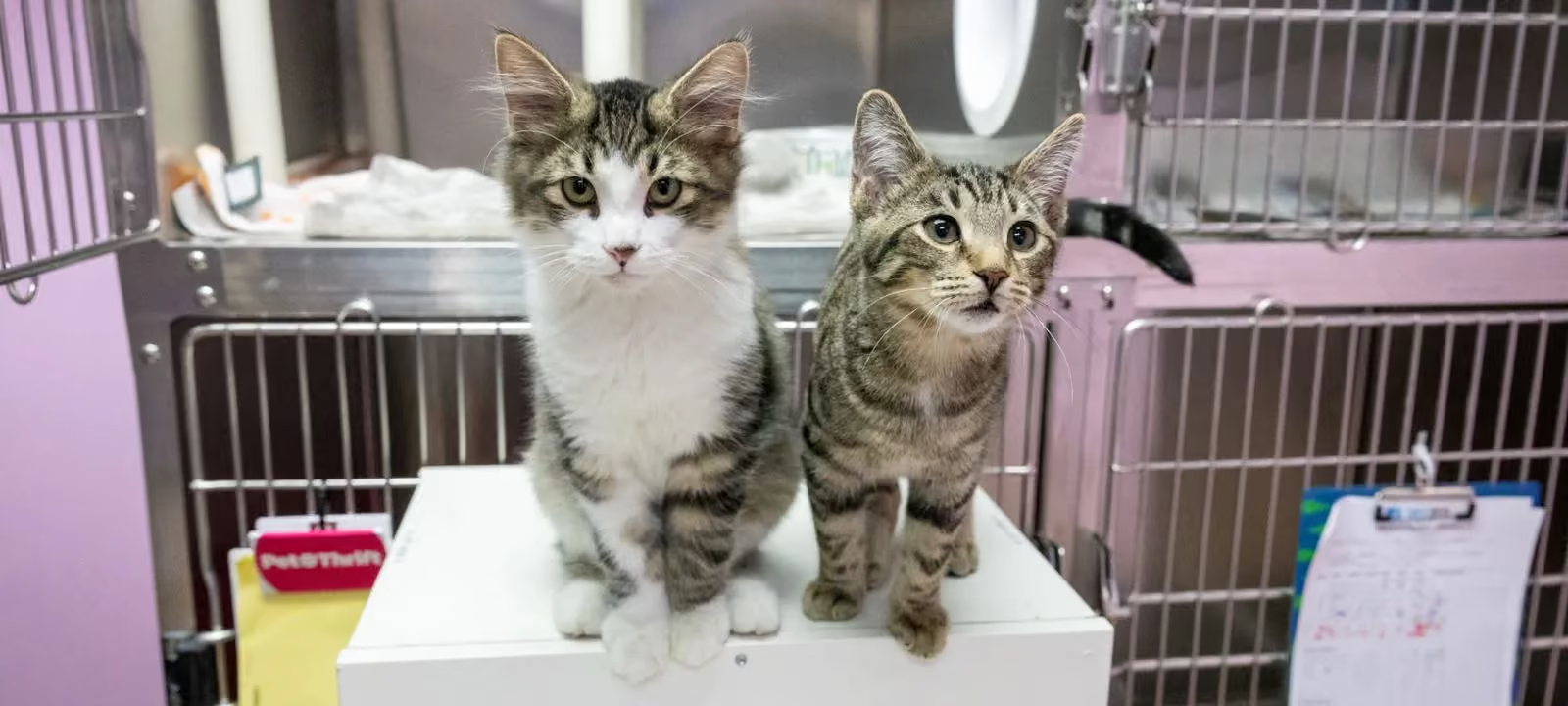
Step inside a day in the life of an HBSPCA kennel volunteer and discover how small acts of care make a big difference for animals in need.
A Day in the Life of a Kennel Volunteer
You arrive at the HBSPCA early in the morning, long pants on, HBSPCA t-shirt pulled over your shoulders, ID badge clipped in place, and running shoes tied tight. The kennel doors slide open and—there it is—the familiar mix of excited barks, soft mews, and a hint of “eau de dog” that tells you you’re exactly where you’re meant to be.
You came because you wanted to enrich your life. You stayed because, somewhere between the wagging tails and the warm noses pressed to kennel doors, you discovered you were enriching theirs too.
Starting the Day
Before anything else, you check in with staff. They greet you with gratitude—plus a task or two to get you started. Some mornings you’re handed a broom, a laundry basket, or a stack of dishes. Other times staff are busy helping an animal, and you’re encouraged to jump into the routine tasks you’ve already been trained on. There’s always something to do.
And everything you do really matters. Clean floors mean safe paws. Fresh laundry means warm beds. Sparkling dishes mean happy, healthy animals. The kennels can be loud and full of strong smells, but behind every bark and whiff is a little life counting on you.
.avif)
This behind-the-scenes work is what keeps the shelter running smoothly. Your help frees staff to focus on medical care, behaviour support, and safety procedures—so your efforts directly impact every animal who comes through our doors.
Connecting With the Animals
Of course, one of the most exciting parts of volunteering is spending time with the animals. But safety—for both you and the pets—comes first. Many animals arrive with unknown histories, may be stressed, afraid, or dealing with medical needs, and rely on you to approach them calmly and respectfully.
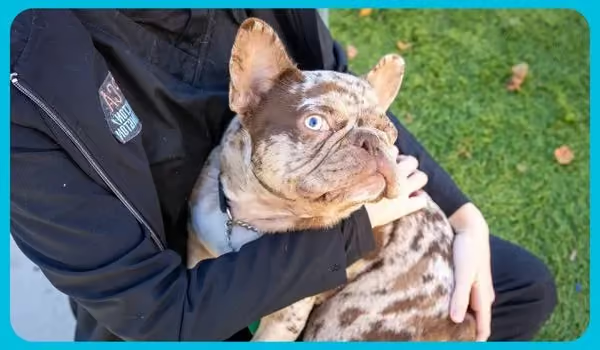
That’s why reading the kennel signs is so important. Before approaching or interacting with any animal, you check for notes like “Nervous—go slow,” “Special diet,” “No treats,” “Wet food only,” or “Staff only.” These small instructions are essential to keeping everyone safe and comfortable.
Handwashing becomes second nature. After touching an animal, after cleaning, before moving to another kennel—your hands are sanitized more times than you can count to help prevent the spread of illness to other shelter pets or to your own pets at home.
If you’re ever unsure about a situation, staff are there to support you. They’re busy, but always happy to help and always appreciative of the time and care you bring to the kennels.
Becoming Part of the Story
By the end of your shift, your shoes might be a little wet, your t-shirt might have a few paw prints, and your heart will almost definitely be fuller than when you arrived.
Being a kennel volunteer isn’t glamorous—but it is meaningful. You help transform the shelter from a temporary stopover into a place of comfort, safety, and care. Your contributions matter more than you might ever see firsthand.
And if you’re feeling inspired to start your own volunteer journey, we’d love to have you join us. You can explore available volunteer roles and begin the process:
Click Here
It’s the first step toward helping animals in a way that brings joy, purpose, and connection—one shift at a time.